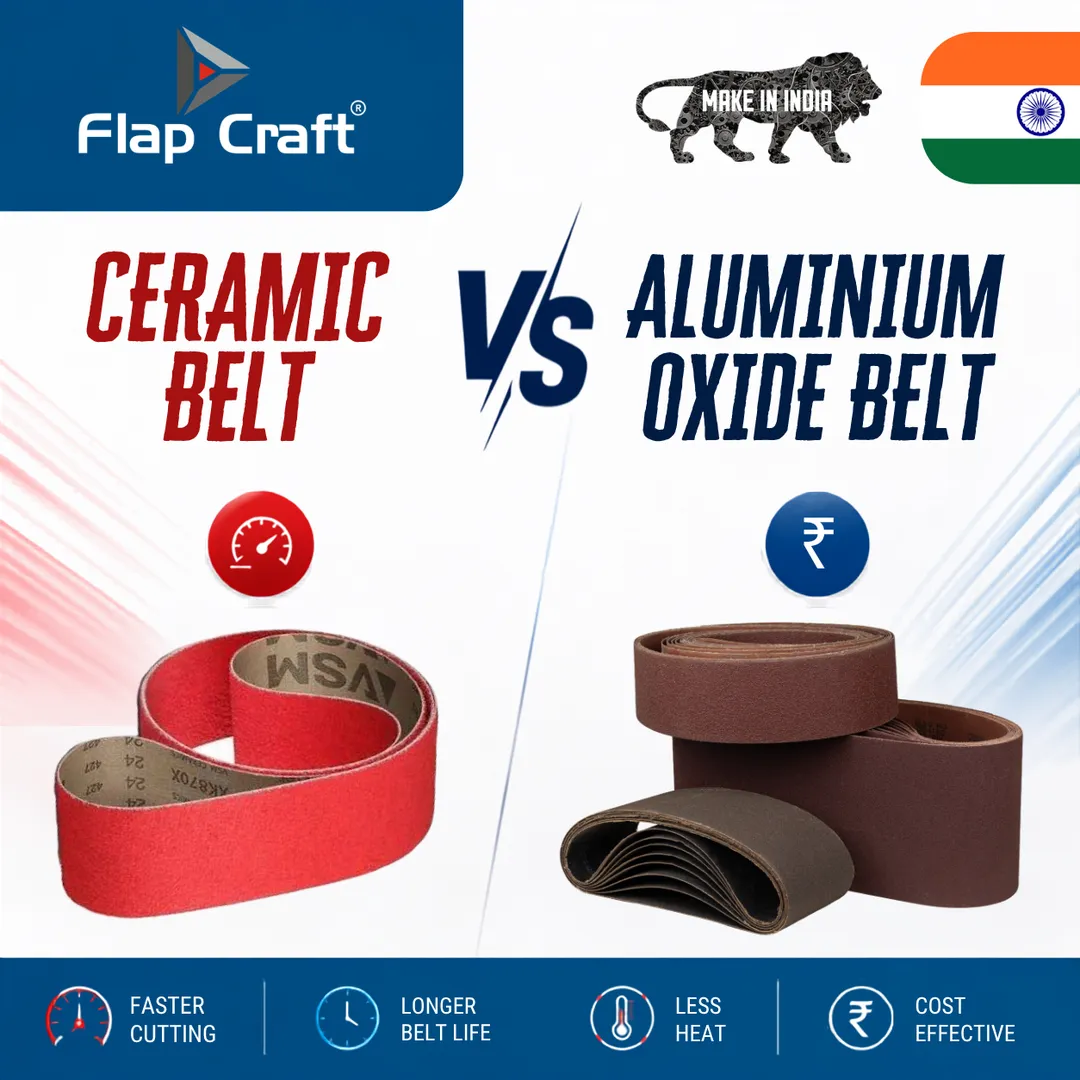
Ceramic vs Aluminium Oxide Belt: Which One Should You Pick for Your Grinding Work?
If you run a workshop, do metal fabrication, or work with wood, you probably use sanding and grinding belts every single day. When it is time to buy new stock, one common question always pops up:
Should you buy an Aluminium Oxide belt or spend a little extra on a Ceramic belt?
Both look somewhat similar on the shelf, but they behave completely differently on the machine. Picking the wrong belt will either waste your hard-earned money or make your job take twice as long.
Here is an easy, practical guide to help you choose the right belt without any confusing technical terms.
The Quick Answer
If you want a fast decision, remember this simple rule:
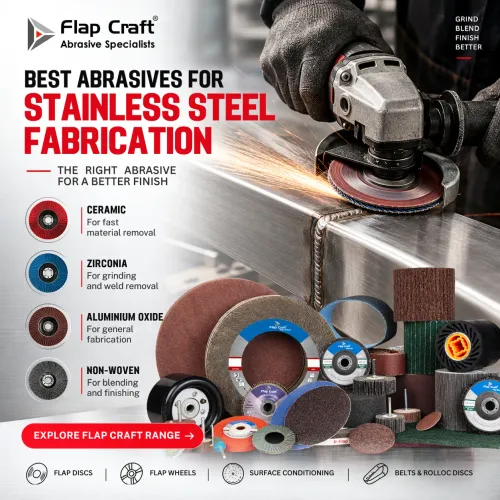
Use Aluminium Oxide if you work mostly on mild steel, iron, or wood, and you want to keep your material costs low.
Use Ceramic if you work on hard metals like stainless steel, do heavy grinding every day, and want your belts to cut faster without burning the metal.
What is an Aluminium Oxide Belt?
Aluminium Oxide is the classic workhorse of the grinding world. Most brown or reddish-brown sanding belts you see in hardware stores are made of this material.
Think of an Aluminium Oxide belt like a reliable everyday tool. It is inexpensive and does a dependable job on softer materials.
How it works:
When you grind with Aluminium Oxide, the sharp edges of the grains slowly wear down and become round. After some time, the belt stops cutting well and begins to rub against the metal instead of grinding it away. When that happens, you simply take it off and put on a fresh one.
Best used for:
- Mild steel and regular carbon steel
- Woodworking and furniture sanding
- General surface cleaning and paint removal
- Small jobs where you do not need heavy daily grinding
What is a Ceramic Belt?
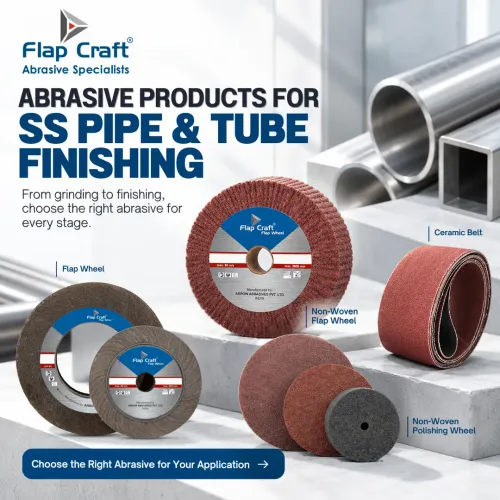
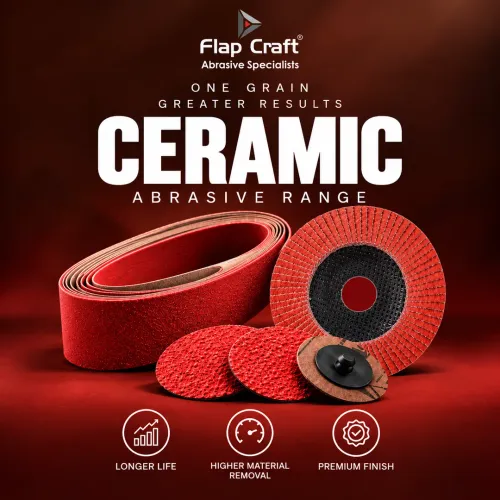
Ceramic belts are modern, premium abrasives. They are usually red, orange, or purple, and they are built for tough, demanding jobs.
The biggest secret of ceramic is that it sharpens itself while you work.
How it works:
Instead of just wearing down flat like regular grains, ceramic grains break away in tiny pieces under pressure. Every time a piece breaks off, a brand-new razor-sharp edge is revealed. This means a ceramic belt stays sharp from the moment you turn on your machine until the belt is completely worn out.
Because the grains stay sharp, the belt cuts metal instead of rubbing it. That means it creates far less heat, which prevents your metal from turning blue or warping.
Best used for:
- Stainless steel fabrication
- Hardened steel and titanium
- Heavy weld seam grinding
- Busy workshops running grinding machines for hours every day
Key Differences
1. Cutting Speed
Ceramic cuts much faster. Because the grain stays sharp, you do not need to push hard against the machine. You get the weld ground down in half the time. With Aluminium Oxide, as the belt gets dull, you have to press harder and work longer.
2. Lifespan and Durability
A single ceramic belt can easily outlast three to five regular aluminium oxide belts on tough metal. While you pay more at the counter, you end up changing belts much less often. That saves your workers valuable production time.
3. Heat Control
Excess heat is the enemy of metalwork, especially stainless steel. If your belt gets hot, your stainless steel will develop blue burn marks that take extra polishing work to fix. Ceramic runs cool because it slices through metal smoothly. Aluminium Oxide creates more friction and gets hot quickly under heavy pressure.
4. Price and Real Value
Aluminium Oxide has a lower upfront cost. If you only grind once a week, it makes complete sense. Ceramic costs more per belt. However, because it lasts so much longer and cuts faster, your cost per finished job often ends up cheaper with ceramic.
How to Decide for Your Workshop
To make the best choice, ask yourself these two questions:
What material are you grinding?
If you are grinding mild steel, iron pipes, or wooden parts, Aluminium Oxide is plenty good enough. There is no need to spend extra money. But if you are cutting weld marks on stainless steel sheets or pipes, buy Ceramic. Aluminium Oxide will dull out on stainless steel in just a few minutes.
How much pressure do you apply?
Ceramic grains need firm pressure to break open and sharpen themselves. If you use very light pressure on small crafts, ceramic will not work properly. Ceramic loves heavy pressure and powerful machines.
Final Recommendation
Do not look at just the sticker price on the belt. Look at your daily time and finishing quality.
Keep a good stock of Aluminium Oxide belts for your everyday utility grinding, soft metals, and wood jobs.
Whenever a tough stainless steel job or a heavy fabrication batch arrives, switch to Ceramic belts. You will finish the job faster, keep your metal cool, and get a much cleaner finish.
Looking for the right belt size and grit for your workshop machines? At Mohta Hardware, we supply custom abrasive belts, grinding wheels, and polishing products built to keep your workshop running smoothly.
Keywords