Expander Wheel: Complete Guide to Uses, Types and Applications
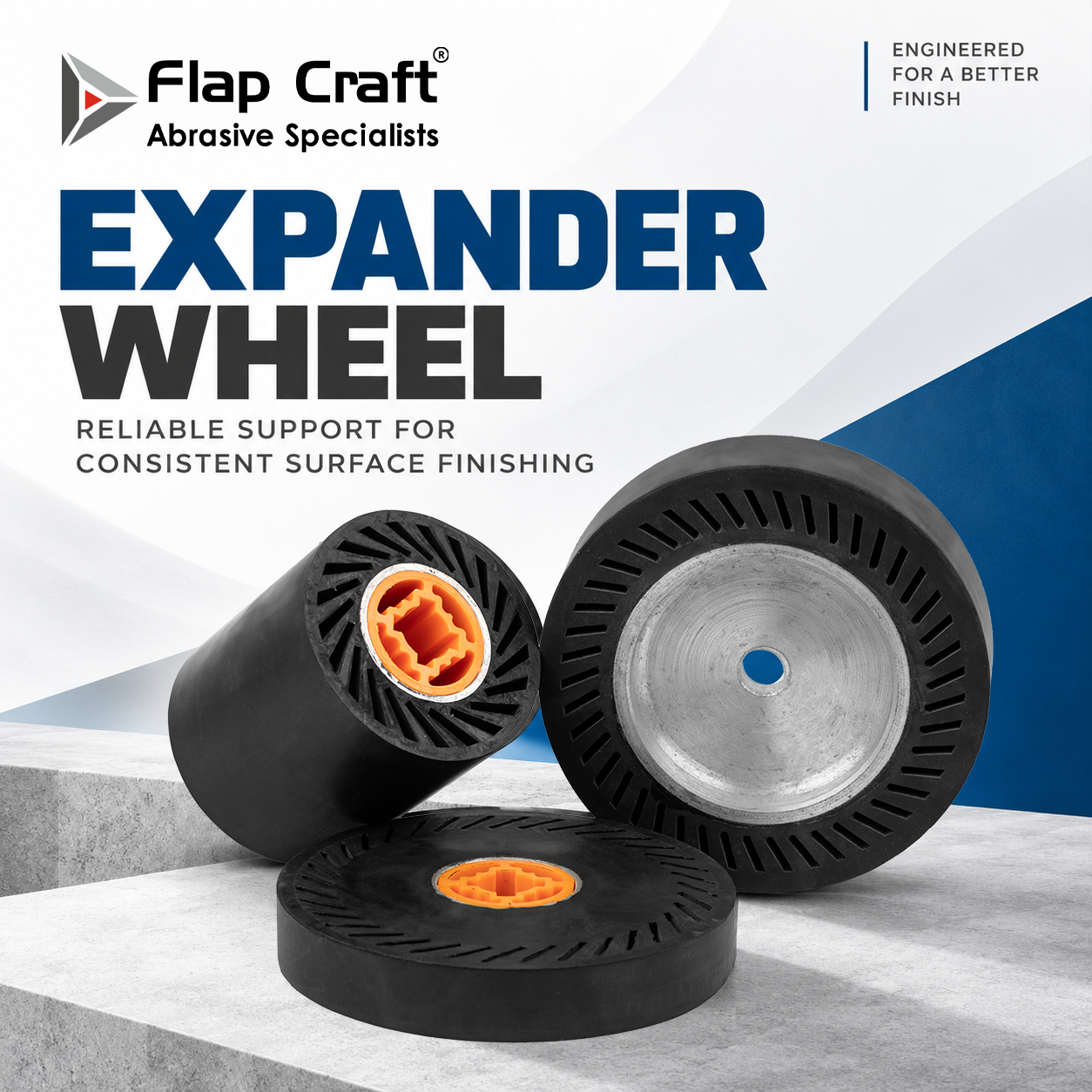
An expander wheel is an abrasive tool accessory used for sanding, deburring, surface preparation, and finishing metal components. It is designed to hold compatible abrasive belts during operation, helping achieve consistent finishing results across various industrial applications.
Rubber expander wheels are commonly used in metal fabrication, stainless steel finishing, engineering workshops, and other industries where controlled abrasive finishing is required. When paired with the right abrasive belt, they can help remove surface imperfections, refine scratches, and prepare components for further processing.
What Is an Expander Wheel?
An expander wheel is a wheel-shaped accessory designed to accommodate a compatible abrasive belt. It helps hold the belt in position during sanding and finishing operations.
Expander wheels can be useful when working with rounded components, curved profiles, and metal parts that require controlled abrasive contact. Their performance depends on factors such as wheel dimensions, abrasive belt compatibility, operating speed, and the material being processed.
Key Features of an Expander Wheel
Some important features to consider when selecting an expander wheel include:
- Abrasive belt compatibility: Works with compatible abrasive belts selected according to the finishing requirement.
- Consistent surface finishing: Supports controlled sanding and surface refinement when used correctly.
- Industrial applications: Suitable for various metal-finishing and fabrication operations, depending on the setup.
- Size compatibility: Correct wheel and belt dimensions are essential for proper fitting and performance.
- Versatile finishing options: Different abrasive belt materials and grit grades can be selected for different applications, subject to compatibility.
Types of Expander Wheels
Expander wheels can differ in their construction, dimensions, mounting arrangements, and intended applications. The right option depends on the machine setup and finishing requirements.
1. Standard Expander Wheels
Standard expander wheels are used with compatible abrasive belts for general sanding and finishing operations. They can help remove minor surface imperfections and prepare metal components for subsequent finishing.
2. Expander Wheels for Metal Finishing
These wheels are selected for applications involving metal components that require surface refinement, deburring, or scratch removal. The abrasive belt should be matched to the workpiece material and desired finish.
3. Expander Wheels for Curved Surfaces
When paired with a suitable abrasive belt, an expander wheel can be useful for finishing rounded components, curved profiles, and other surfaces where controlled abrasive contact is required.
The available construction and dimensions should always be checked against the manufacturer's specifications before selecting a wheel.
Applications of Expander Wheels
Expander wheels are used in several industrial applications, depending on the abrasive belt, machine setup, and workpiece material.
Metal Fabrication
Expander wheels can assist with sanding, deburring, and refining metal components after fabrication. They may be used to improve surface uniformity before subsequent finishing operations.
Stainless Steel Finishing
In stainless steel fabrication, compatible abrasive belts can be used with expander wheels to refine surface scratches and prepare components for further finishing. Selecting the appropriate abrasive is important for achieving the desired appearance.
Pipe and Tube Finishing
Expander wheels may be suitable for selected pipe, tube, and rounded metal components where the tool configuration allows effective abrasive contact.
Engineering and Workshop Applications
Engineering workshops may use expander wheels for general abrasive finishing, surface preparation, and maintenance of metal components.
Surface Preparation
Before painting, coating, or other finishing processes, appropriate abrasive belts can help prepare metal surfaces by removing minor imperfections and improving surface consistency.
How to Choose the Right Expander Wheel
Choosing the right expander wheel helps improve finishing consistency and ensures compatibility with the intended application.
1. Wheel diameter
The diameter should match the application and equipment requirements. Check the wheel dimensions before selecting a compatible abrasive belt.
2. Wheel thickness
Wheel thickness is important when assessing the available working area and compatibility with the intended setup.
3. Bore and mounting type
Check the bore type and mounting arrangement to ensure the wheel fits the machine or tool correctly.
4. Abrasive belt compatibility
Expander wheels work with compatible abrasive belts. Since belts may be available in different dimensions and grit grades, confirm the required specifications before ordering.
5. Material and finishing requirements
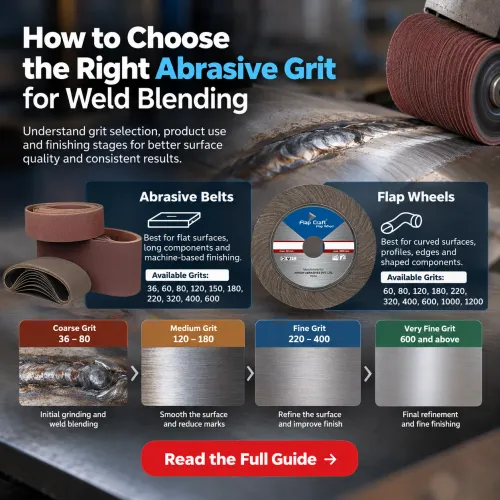
Select the abrasive belt according to the workpiece material, the amount of material to be removed, and the desired surface finish.
6. Operating speed and safety
Always follow the manufacturer's specified operating speed and mounting instructions. Inspect the wheel and belt before use, and wear appropriate personal protective equipment.
Flap Craft Expander Wheel Specifications
The Flap Craft Expander Wheel is designed for use with compatible abrasive belts, which are sold separately.
The listed product has a 90 mm diameter, a 100 mm thickness, and a keyhole bore type. Abrasive belts should be selected according to the required application and verified for compatibility with the wheel.
Before ordering, confirm the wheel dimensions, mounting arrangement, and belt compatibility with your equipment.
Expander Wheel vs. Conventional Sanding Methods
An expander wheel provides a dedicated way to use compatible abrasive belts for selected industrial finishing tasks. Compared with manual sanding, it can offer a more consistent working setup and support repeatable finishing when used correctly.
However, the most suitable method depends on the workpiece geometry, required surface finish, production volume, and available equipment. Flap wheels, conventional sanding belts, and other abrasive tools may be more appropriate for certain applications.
Tips for Better Expander Wheel Performance
Follow these practical guidelines to achieve reliable finishing results:
- Choose an abrasive belt suitable for the workpiece material.
- Confirm that the belt dimensions match the expander wheel.
- Use the appropriate grit for material removal or finishing.
- Avoid applying excessive pressure during sanding.
- Inspect the wheel, belt, and mounting arrangement before operation.
- Follow the equipment manufacturer's speed limits and safety instructions.
- Replace worn or damaged components before continuing work.
Frequently Asked Questions (FAQs)
1. What is an expander wheel used for?
An expander wheel is used with compatible abrasive belts for applications such as sanding, deburring, surface preparation, and metal finishing.
2. Are abrasive belts included with an expander wheel?
Not always. For the Flap Craft Expander Wheel described here, abrasive belts are sold separately.
3. What is the diameter of the Flap Craft Expander Wheel?
The listed Flap Craft Expander Wheel has a diameter of 90 mm.
4. What is the bore type of the Flap Craft Expander Wheel?
The listed model has a keyhole bore type. Confirm mounting compatibility with your equipment before ordering.
5. How do I choose the right abrasive belt?
Consider the belt dimensions, abrasive material, grit grade, workpiece material, and required finish. Always verify compatibility with the wheel.
6. Can an expander wheel be used for stainless steel?
It may be suitable for stainless steel finishing when paired with a compatible abrasive belt selected for the material and desired finish.
Keywords